
Winter Lighting Tips to Make Your Home Warm and Bright
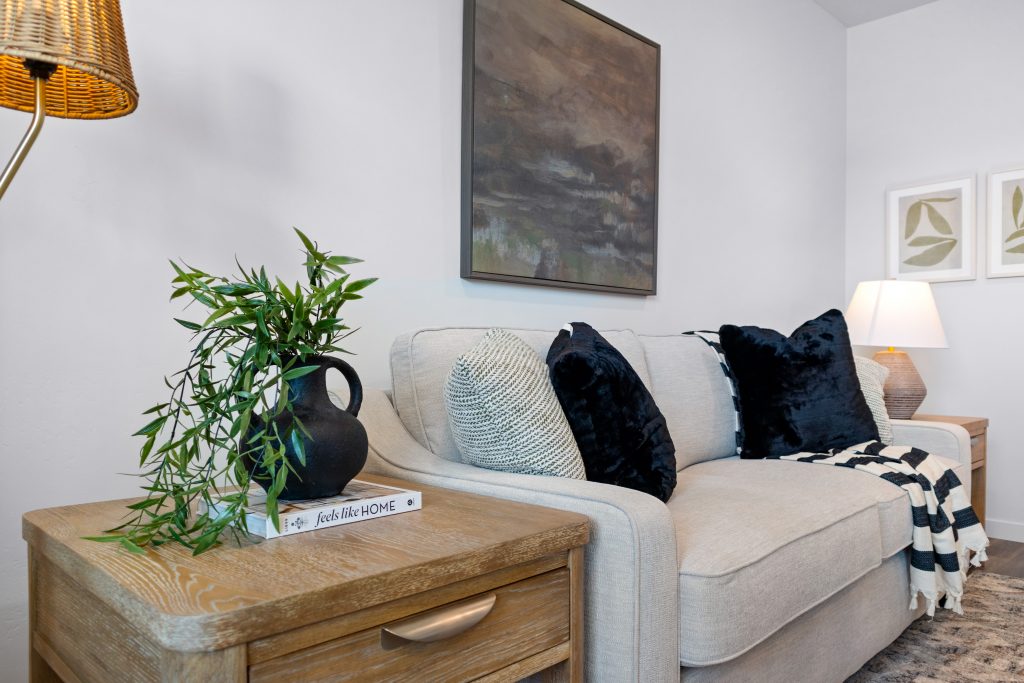
Winter is here, and with it, shorter days and longer nights. For many of us, this seasonal shift means a noticeable dip in energy. It’s easy to feel a bit gloomy when you leave for work in the dark and return home to more of the same. But here’s the good news: you don’t have to surrender to the winter darkness. With a few simple winter lighting tips, you can transform even the darkest days into something warm and inviting.
We combined expert interior design principles with practical winter lighting tips to help you transform your space. From choosing the perfect lightbulb temperature to mastering the art of layering and using reflective decor, here is everything you need to know to make your home warm, bright, and inviting this winter.
Maximize Every Ray of Natural Light
One of the most overlooked winter lighting tips is maximizing the natural light you already have. Before we buy new lamps or swap out bulbs, we need to address the most important light source of all: the sun. Natural light is a precious commodity during winter. It boosts serotonin, regulates our sleep cycles, and makes our homes feel open and airy. Your first goal is to ensure you aren’t accidentally blocking it.
The “Clean Slate” Strategy
It may sound simple, but dirty windows can significantly dim your home. A season’s buildup of dust, pollen, and grime can surprisingly reduce the amount of sunlight that enters. To fix this, give your windows, both inside and out, a thorough cleaning. Clear glass allows the maximum amount of sunlight to stream into your rooms, instantly making them feel brighter.
Rethink Your Window Treatments
Heavy, dark drapes might be great for insulation, but they can absorb light and make a room feel boxy. During the day, make sure your curtains are pulled back completely past the window frame. If you need privacy, consider swapping heavy drapes for sheer or light-filtering curtains. These fabrics allow diffused light to penetrate the room while keeping prying eyes out.
Strategic Furniture Arrangement
Take a look at your room layout. Is the back of a tall sofa blocking the bottom half of a window? Is a bookshelf casting a long shadow across the floor? To maximize natural light, try rearranging large furniture pieces so they are positioned perpendicular to windows or placed on opposing walls. This will help clear the path for sunlight to reach deeper into the room.
Get the Temperature Right: Understanding Lightbulbs
One of the most effective winter lighting tips is choosing the right bulb temperature. Have you ever bought a lightbulb, screwed it in, and felt like you were standing in a hospital waiting room or a garage? That is because not all lightbulbs are created equal. The “temperature” of your light, measured in Kelvins (K), dictates how a room feels.
The Kelvin Scale Simplified
- 2000K – 3000K (Warm White/Soft White): This is the sweet spot for winter. It produces a gentle, amber-yellow glow similar to candlelight or traditional incandescent bulbs. It feels cozy, relaxing, and warm.
- 3100K – 4500K (Cool White): This is brighter and more neutral. It is good for task areas like kitchens or bathrooms but can feel too crisp for a relaxing living room.
- 4600K+ (Daylight): This light has a blue tint. While it mimics the midday sun, using it in the evening can disrupt your circadian rhythm and make your home feel cold and clinical.
Practical Steps for Better Bulbs
- Check your current bulbs: Look at the base of the bulbs in your living room and bedroom. If they say “Daylight” or have a rating above 3500K, consider swapping them.
- The Cozy Standard: Replace main living area bulbs with LEDs rated between 2700K and 3000K. This simple swap is often the most impactful change you can make.
- Go Smart: Consider investing in smart bulbs. They allow you to change the temperature on a schedule, bright and cool in the morning to wake you up, and warm and dim in the evening to help you wind down.
Master the Art of Layering Light
Relying on a single overhead fixture, often called “the big light,” is a surefire way to create a flat, uninviting room with harsh shadows. Professional designers avoid this by using “light layering,” one of the core winter lighting tips for creating warmth and depth. This involves using multiple light sources at different heights to create depth and balance.
Think of your lighting in three distinct layers:
1. Ambient Lighting (The Base)
This is your general illumination that lets you move around safely. It usually comes from ceiling fixtures or recessed lighting.
- Winter Tip: Install dimmer switches on your overhead lights. Being able to lower the intensity of your main lights instantly changes the mood from “cleaning mode” to “relaxing evening.”
2. Task Lighting (The Function)
This light is directed at specific areas where you do things: reading, cooking, or working. It prevents eye strain and adds pockets of brightness.
- Action Example: Place a floor lamp behind your sofa or a table lamp on a side table to create a dedicated reading nook. The focused pool of light makes that corner feel like a warm destination within the room.
3. Accent Lighting (The Mood)
This layer is purely for atmosphere. It highlights architectural features, plants, or art.
- Action Example: Place a small uplight on the floor behind a large houseplant. The light shining up through the leaves creates beautiful, dramatic shadows and adds visual interest to dark corners.
Double Your Light with Reflective Surfaces
Another smart winter lighting tip is using reflective surfaces to boost the impact of both natural and artificial light. Once you have your light sources sorted, you need to make them work harder for you. You can amplify both natural and artificial light by introducing reflective surfaces into your decor. This bounces light around the room, making it feel larger and brighter without adding a single watt of electricity.
The Mirror Trick
Mirrors are the most effective tool for amplifying light. A well-placed mirror can seemingly double the amount of light in an area and add depth to your room.
- Opposite a Window: Hang a large mirror directly across from your main window. It acts like a second window, reflecting the view and the daylight back into the room.
- Behind a Lamp: Position a mirror behind a table lamp or near a floor lamp. In the evening, the mirror will catch the lamp’s warm glow and disperse it, doubling the cozy factor.
Metallic and Glass Accents
You don’t need wall-to-wall mirrors to get this effect. Small decor choices add up.
- Add Metallic Accents: Incorporate items with gold, brass, silver, or chrome finishes. Think picture frames, decorative bowls, or lamp bases.
- Introduce Glass & Crystal: Use glass or crystal objects, like vases or tabletops. Unlike solid wood or stone, which absorb light, glass allows light to pass through and sparkle, adding a dynamic shimmer to your space.
Brighten Your Home and Beat the Winter Gloom
Winter darkness doesn’t have to dictate the mood of your home. By taking control of your lighting, you can turn your living space into a warm, bright haven that you actually look forward to retreating to.
Start small. Even tiny winter lighting tips, like cleaning windows or adding a warmer bulb, can make a big difference. Maybe next week you can rearrange the furniture or hang a mirror. Each small step adds a layer of warmth, pushing back the gloom and making your home a brighter place to be.
Hayden Homes builds quality homes in vibrant communities across Montana, Washington, Idaho, and Oregon. Recognizing that a new home is also about finding the perfect neighborhood, we invite first-time buyers and those looking to upgrade to call us and explore our available properties.