 Wildfire Recovery Resources

How to Get Rid of PMI on Your Mortgage
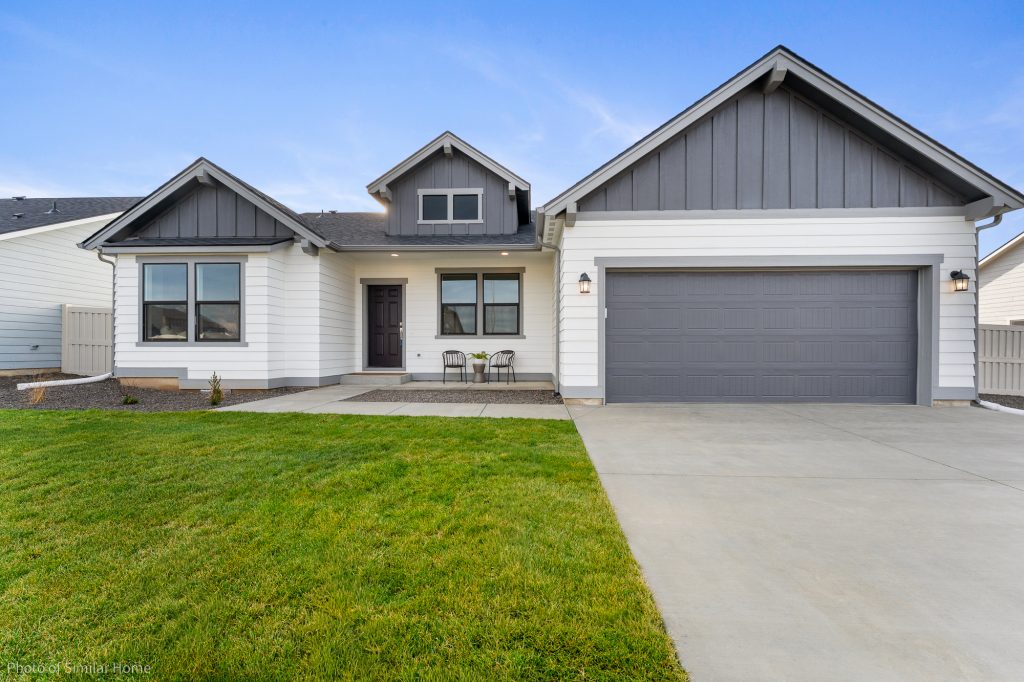
If you bought your home with a conventional loan and put down less than 20 percent, you are likely paying Private Mortgage Insurance (PMI). This monthly fee protects the lender in case you stop making payments.
While this fee helped you get into your home, it offers no financial benefit to you as the homeowner and can cost hundreds of dollars each month. Learning how to get rid of PMI is a fantastic way to lower your monthly housing costs and keep more money in your budget.
The good news is that you don’t have to pay this fee forever. With a few key strategies, you can drop this added expense. In short: you can remove PMI by reaching 20% equity in your home — either by paying down your mortgage, requesting cancellation at 80% LTV, leveraging a rising home value, or refinancing. Lenders are required to automatically cancel PMI at 78% LTV.
Use this step-by-step guide to take action and say goodbye to PMI for good.
What is PMI and Why Does It Matter?
To understand how to remove PMI, you first need to know what it is. When you get a conventional mortgage with a small down payment, lenders view it as a higher risk. To offset this, they require you to buy PMI, an insurance policy that protects the lender, not you, if you default on your loan. Since these premiums can strain your budget, your goal should be to build enough equity to eliminate the requirement.
Equity is the difference between your home’s value and your mortgage balance. Once you reach 20% equity, you can typically remove PMI.
Your Step-by-Step Checklist to Remove PMI
Ready to stop paying for mortgage insurance? Follow these steps to evaluate your current standing and choose the best path to cancellation.
Step 1: Check Your Loan Balance and Home Value
First, you need to know where you stand. Find your current loan balance on your most recent mortgage statement. Then, find your home’s original appraised value in your closing documents.
Compare these two numbers to find your current equity. The goal is to reach a Loan-to-Value (LTV) ratio of 80%, meaning your mortgage balance is 80% of your home’s original value.
Step 2: Request Cancellation at 80 Percent
Once your mortgage balance hits the 80% mark, you can ask to cancel the insurance. You’ll need to initiate this request, as your lender won’t do it automatically at this point.
Contact your loan servicer in writing to formally request the PMI cancellation. Before approving, your lender will check your payment history to ensure you’ve paid on time for at least the past year. They may also require a new appraisal to confirm your home’s value hasn’t decreased.
Step 3: Wait for the 78 Percent Automatic Drop
If you don’t actively request PMI cancellation, federal law provides a safety net. Lenders must automatically cancel PMI on most conventional loans once your balance drops to 78% of the original home value.
This automatic cancellation is based on your loan’s original amortization schedule. However, you must be current on your mortgage payments for it to take effect. If you’re behind, the lender can keep the PMI active until your account is up to date.
Step 4: Make Extra Principal Payments
You can speed up the PMI cancellation timeline by making extra payments toward your loan principal. Reaching the 20% equity mark faster is in your control, you don’t have to follow the lender’s exact payment schedule.
Every extra dollar reduces your loan balance and gets you closer to the cancellation milestone, potentially months or years ahead of schedule.
Consider these strategies:
- Add a small amount to your regular monthly payment.
- Make one extra mortgage payment per year by dividing your monthly payment by 12 and adding that amount to each check.
- Apply lump sums, like a tax refund or work bonus, directly to your mortgage balance.
Step 5: Leverage a Rising Home Value
You don’t always have to wait for your loan balance to drop to get rid of PMI. If your home’s value increases, your equity percentage also rises, offering a potential shortcut.
Real estate markets appreciate over time, but you can also boost your property’s value by making significant home improvements, like renovating a kitchen or adding a bathroom.
Contact your lender to see if they’ll cancel your PMI early based on a new home appraisal. While you’ll have to pay for the appraisal, spending a few hundred dollars now could save you thousands in eliminated insurance premiums.
Step 6: Refinance Your Mortgage
Refinancing replaces your current mortgage with a new one. It’s an effective way to remove PMI if you have at least 20% equity based on your home’s current value.
When you refinance, the new lender will order a new appraisal. If your loan amount is 80% or less of the new appraised value, your new mortgage won’t require PMI.
This strategy is particularly effective if interest rates have dropped since you bought your home, as you could get a lower rate and remove PMI at the same time. Just be sure to compare the closing costs of the new loan to your potential savings from dropping the insurance.
Common PMI Removal Mistakes to Avoid
Here are a few common mistakes to avoid when trying to remove your PMI:
First, don’t assume your PMI will automatically drop off if your home value increases. Lenders use the original appraised value unless you request a new appraisal and follow their specific guidelines.
Second, keep your payments current. A missed payment just before you hit the 78% automatic cancellation mark can delay the process.
Finally, don’t refinance solely to drop PMI without comparing the closing costs to your potential savings. If the fees are higher than your remaining PMI premiums, refinancing isn’t the best financial choice.
Taking Your Next Steps to Remove PMI
Removing Private Mortgage Insurance is a major milestone for any homeowner. Whether you pay down your principal, get a new appraisal, or wait for automatic cancellation, understanding your options puts you in control. Ditching that extra fee frees up your monthly budget.
Whether you’re working toward PMI removal on your current home or planning your next move, the right home and the right loan set you up for long-term success.
At Hayden Homes, we are committed to making your home building journey rewarding and straightforward, from that first open house to the moment you walk through your front door. Ready to start your next chapter? Contact us today to get started.