 Wildfire Recovery Resources

Hayden Homes Joins Statewide Conversation on Solutions to Washington’s Housing Challenges
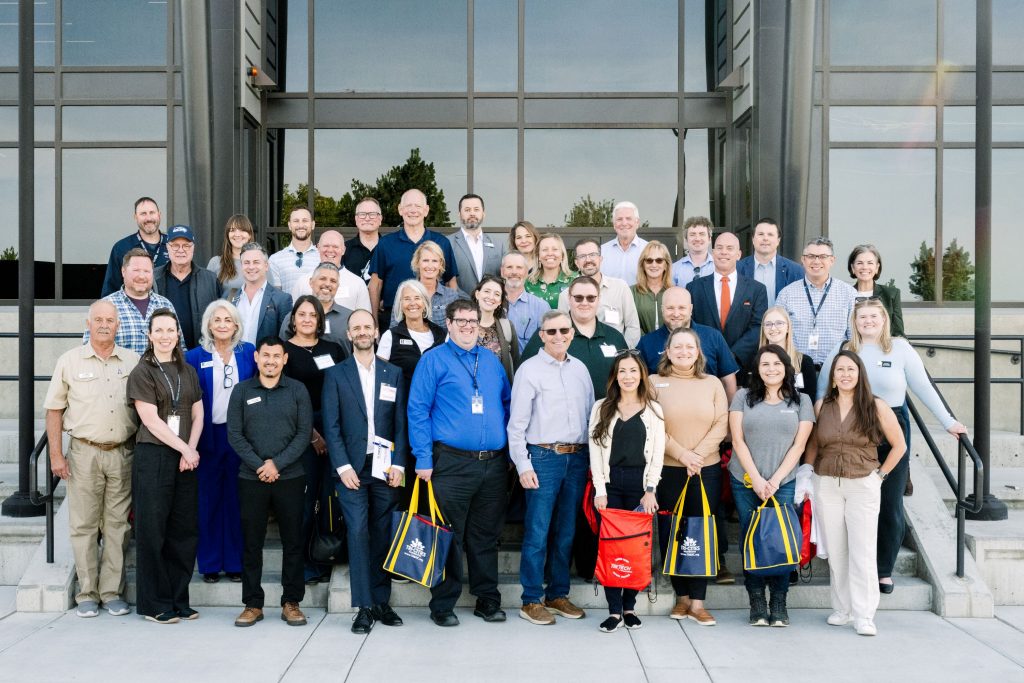
On Oct. 1, Hayden Homes joined Lt. Governor Denny Heck and more than 50 other state legislators, local leaders, employers, housing organizations and community partners for a six-stop housing tour across the Tri-Cities focused on a challenge communities throughout Washington are facing: How do we build enough homes to keep pace with growth while keeping homeownership within reach for working families?
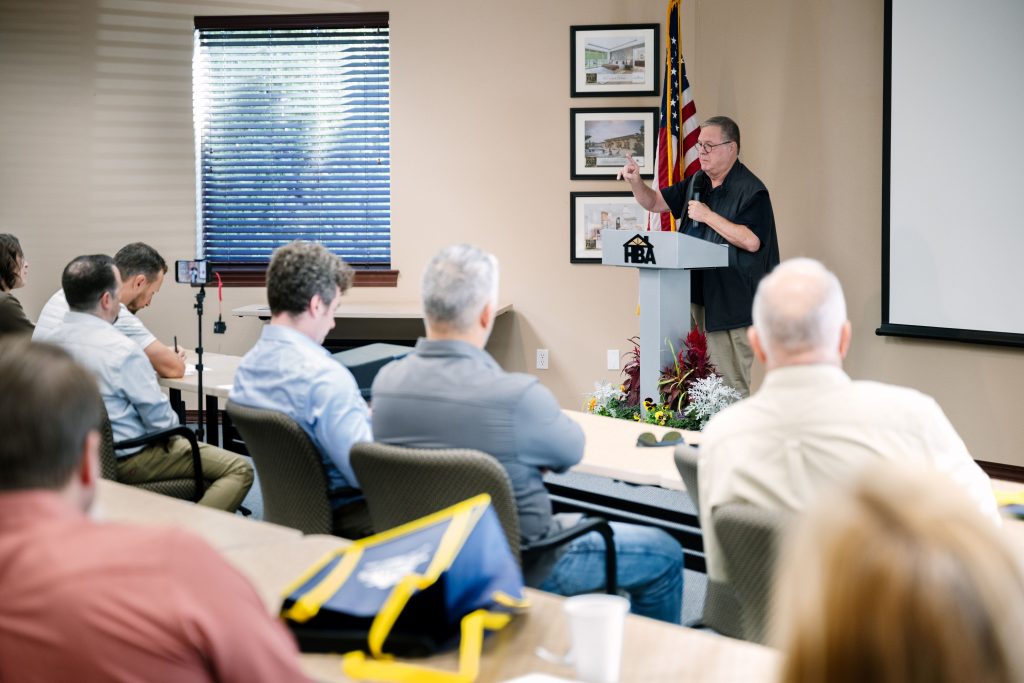
The tour brought Democratic and Republican lawmakers out of Olympia and into communities to “touch dirt”, seeing firsthand how state and local policies affect whether homes get built, what they cost and how long they take, while working together to identify practical solutions.
For Hayden Homes, the conversation was especially meaningful because the Tri-Cities is where our Washington story began.
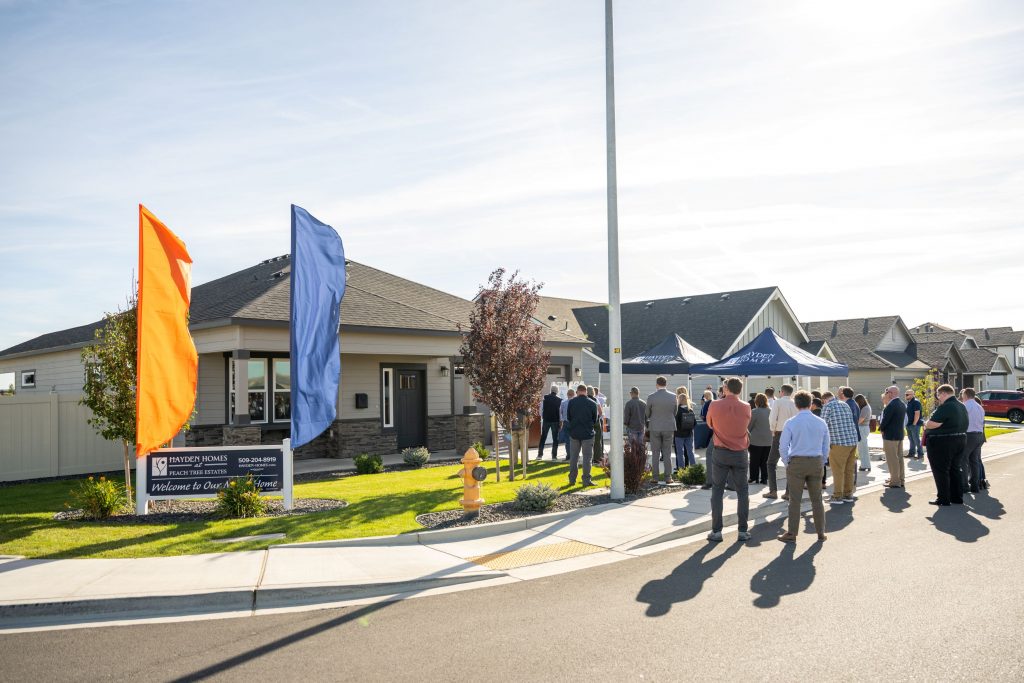
In 1993, Hayden Homes built its first Tri-Cities home in West Richland, an approximately 1,100-square-foot, two-bedroom, two-bath home starting at $59,990. Today, less than five miles away at Peach Tree Estates in Richland, a similarly sized Hayden home started at approximately $379,000 – an increase of nearly $320,000 in 33 years.
That change illustrates why conversations about housing supply must also be conversations about what it costs to build a home.
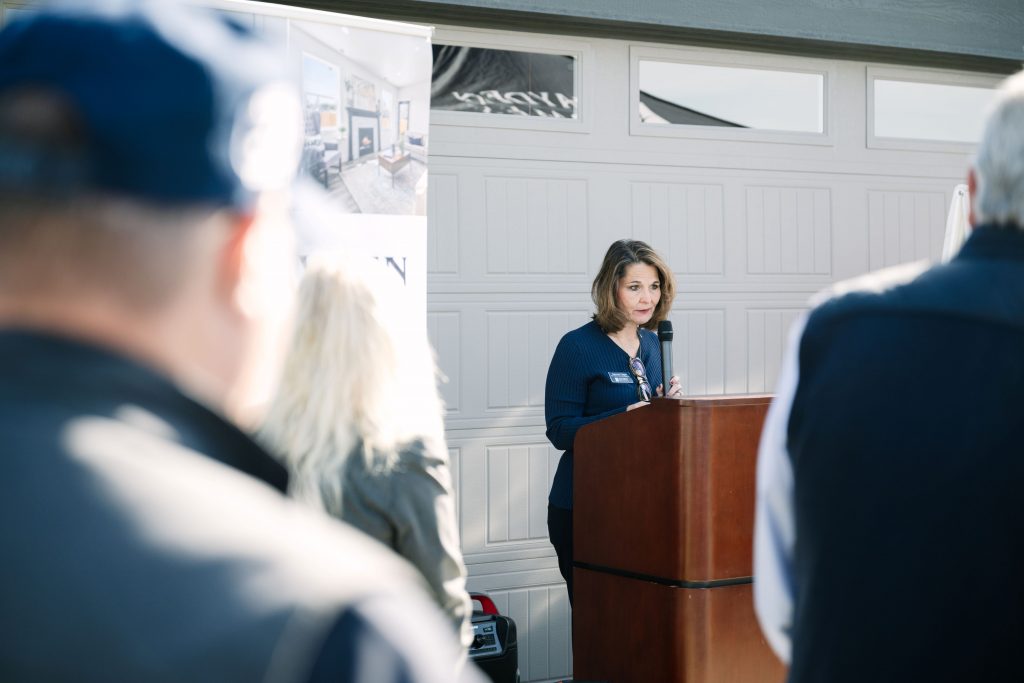
“Delivering homes that hard working families can afford is becoming an increasingly difficult equation,” said Deb Flagan, Vice President Community Engagement at Hayden Homes. “While many housing regulations and requirements are designed to address a specific goal, their cumulative impact is adding significant cost, time and complexity, ultimately pushing homeownership beyond the reach of so many Washington families. Bringing state and local leaders together to see these challenges firsthand and discuss common-sense solutions is critical. We’re grateful to TRIDEC, the Tri-City Regional Chamber and the HBA of Tri-Cities for their leadership in making this possible.”
Understanding the affordability equation
Hayden Homes’ business model has long focused on bringing homes to market that local wage earners can afford, particularly in rural and non-metro communities where teachers, nurses, first responders and other essential workers need opportunities to live near where they work.
At Peach Tree Estates, tour participants got an inside look at what makes that increasingly difficult.
The final price of a new home reflects much more than lumber and labor. It includes the cost of land and infrastructure; permitting and impact fees; materials and construction; financing and carrying costs; and the time required to move a home from planning through completion.
At current costs, that equation is becoming harder to make work while maintaining an attainable sales price. Recent energy-code and fire-hardening requirements have added to direct construction costs, while the cost of finished lots can significantly exceed the amount the home price can support.
The result is straightforward: when the cost of land, construction, fees or time increases, those costs ultimately affect what it takes to deliver a new home and ultimately, the monthly mortgage burden on families.
Looking at housing through an affordability lens
That is why the tour went beyond talking about the need for more housing and instead looked at the decisions that affect whether those homes can actually be built.
Across six stops, participants explored the cost of building a new home, land availability and Urban Growth Area boundaries, shrub-steppe mitigation, opportunities to use state-owned land for affordable housing, and pathways into construction and skilled-trades careers.
The issues are different, but the underlying question is the same: How can state and local decisions support important community goals while also considering their cumulative impact on housing cost, availability and supply?
Washington is projected to need approximately 1.1 million additional homes by 2044 to keep pace with expected growth. Meeting that need will require housing across income levels and a sustained focus on the conditions that allow more homes to get built.
For Hayden Homes, the Oct. 1 tour was an opportunity to bring that conversation out of meeting rooms and into the communities where those decisions have real-world consequences — and to work alongside state and local leaders toward practical solutions that keep housing within reach for more Washington families.