 Wildfire Recovery Resources

How Do I Prepare My Garden for Winter in the Pacific Northwest?
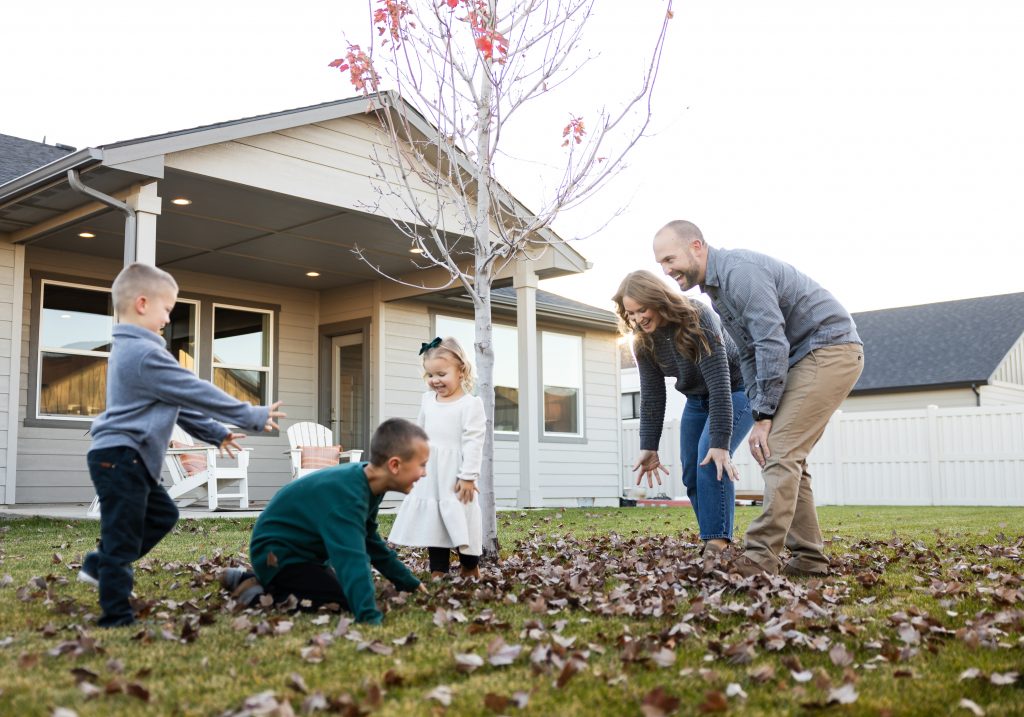
Winters in the Pacific Northwest come with plenty of rain, damp soil, and the occasional cold snap that catches everyone off guard. Your garden needs a little help to make it through in good shape. A few smart steps this fall will protect your plants and set you up for a healthier spring. We’ll walk through your yard one zone at a time, answering the questions homeowners in the Pacific Northwest ask most.
When should I start prepping?
When to start: Begin early fall garden prep by late September or early October. Complete frost-sensitive tasks before the first hard freeze, typically arriving in November across the Pacific Northwest. Splitting the work into two rounds keeps it simple:
- Early fall: Focus on soil work, cleanup, and planting while the weather is still mild.
- Late fall: Handle frost protection, lawn care, tool care, and shutting off water lines before temperatures drop.
Starting early gives your plants time to settle in before the cold and rain take over. You do not have to do it all in one weekend, so spread the work out as the weather allows.
Start with the ground: soil and drainage
Everything in your garden depends on what is happening in the soil, so start here. Water is the biggest challenge for local gardens. Our steady rain is great for lush growth, but too much of it sitting in the soil leads to root rot and drowned plants.
Walk your yard after a good downpour and note where puddles form. Those low spots need attention. To keep water moving:
- Add compost or topsoil to level out dips where water collects.
- Loosen compacted areas so rain soaks in rather than pooling on top.
- Keep gutters and downspouts clear so roof runoff drains away from your beds, not into them.
- Consider raised beds for vegetables and delicate plants that hate wet feet.
If you garden in the heavy clay that shows up across the Pacific Northwest, work compost into the top few inches now. It loosens the soil and helps excess water drain instead of sitting around your plants.
Clean up, then mulch
Once your drainage is sorted, turn to your beds and the plants that live in them. The rule here is simple: clear before you cover.
Pull spent annuals, rake soggy leaves off your lawn and beds, and remove any plant material that looks diseased. Wet debris left in place traps moisture and gives mold, mildew, and pests a cozy home. Healthy leaves and clippings can go straight into your compost or double as free mulch. Toss anything diseased into the yard waste bin so you do not spread problems next year.
Then add mulch. A two- to three-inch layer does a lot of quiet work. It insulates roots through cold snaps, slows down weeds, and protects your soil from getting battered by heavy rain.
- Use bark, wood chips, straw, or shredded leaves.
- Spread it around trees, shrubs, and perennials.
- Keep mulch pulled back a couple of inches from stems and trunks so they do not stay damp and rot.
Think of mulch as a blanket that keeps soil temperatures steady when frost hits.
What should I prune, and what should I leave alone?
Fall is a good time to tidy up, but not everything wants a trim right now. Pruning the wrong plants too early can cost you next year’s blooms.
Go ahead and cut back:
- Dead or damaged branches on trees and shrubs.
- Perennials that have finished for the season, like hostas and daylilies.
Hold off on spring bloomers such as rhododendrons and hydrangeas. They set their buds early, so cutting them back now means fewer flowers next year. When you are unsure, remove only what is clearly dead or broken and save major shaping for spring.
Is it too late to plant anything?
Not at all. Fall is actually the ideal time to plant spring bulbs in our cool, wet climate. For color when winter finally lifts.
Best spring bulbs to plant in fall in the Pacific Northwest: Tulips, daffodils, crocuses, and hyacinths before the ground gets too cold, ideally by late November.
Plant depth: Set each bulb about three times as deep as it is tall. Choose well-draining spots so bulbs do not rot in soggy soil.
Deadline: Before ground freezes, ideally by late November
A little effort now pays off with fresh blooms right when you need them most.
Protecting tender and potted plants from frost
Some plants simply need extra care when temperatures drop. Our winters run mild, but a hard frost can still roll through, so keep an eye on your most sensitive plants and your containers.
On cold nights:
- Move potted plants close to the house or into the garage.
- Cover delicate plants with frost cloth or burlap.
- Group your containers together so they hold warmth better.
Terracotta pots deserve a special mention. They crack when the moisture inside them freezes, so bring them under cover or wrap them before the first hard freeze.
Caring for your lawn
Grass keeps growing slowly through our mild winters, so a few fall tasks help it stay healthy.
- Give it one last mow before growth slows.
- Aerate compacted spots so water and air reach the roots.
- Apply a fall fertilizer to strengthen roots for spring.
Aeration is especially useful here, since heavy rain and foot traffic pack our soil tight.
Winterizing your tools and water lines
This step is easy to forget, but frozen pipes and rusted tools make for a rough spring start. Before the first hard freeze:
- Drain and store your hoses so they do not freeze and split.
- Shut off and insulate outdoor faucets.
- Clean, dry, and lightly oil your tools to prevent rust.
A quick afternoon on this now saves you real money and hassle later.
Your Garden is Ready for Winter
Winter prep in the Pacific Northwest really comes down to three things: managing moisture, insulating roots, and protecting the plants and gear that need it most. Handle the soil work, cleanup, and planting in early fall, then wrap up frost protection, lawn care, and tool care before the cold sets in. Spread the work across a few weekends, and your garden will be ready to ride out the season and bounce right back when the sun returns.
Pacific Northwest winter garden prep checklist:
- Early fall: soil work, cleanup, planting spring bulbs
- Late fall: frost protection, lawn care, tool care, water line shutoff
- Manage moisture, insulate roots, protect tender plants
At Hayden Homes, we design outdoor spaces that make seasonal care simple and enjoyable year-round. Whether you’re settling into a new community or looking for a home with a garden-ready yard, we’re here to help. Explore available homes ready for move-in, or find a Hayden Homes community near you across the Pacific Northwest.