 Wildfire Recovery Resources

How to Design a Sociable Living Room Layout
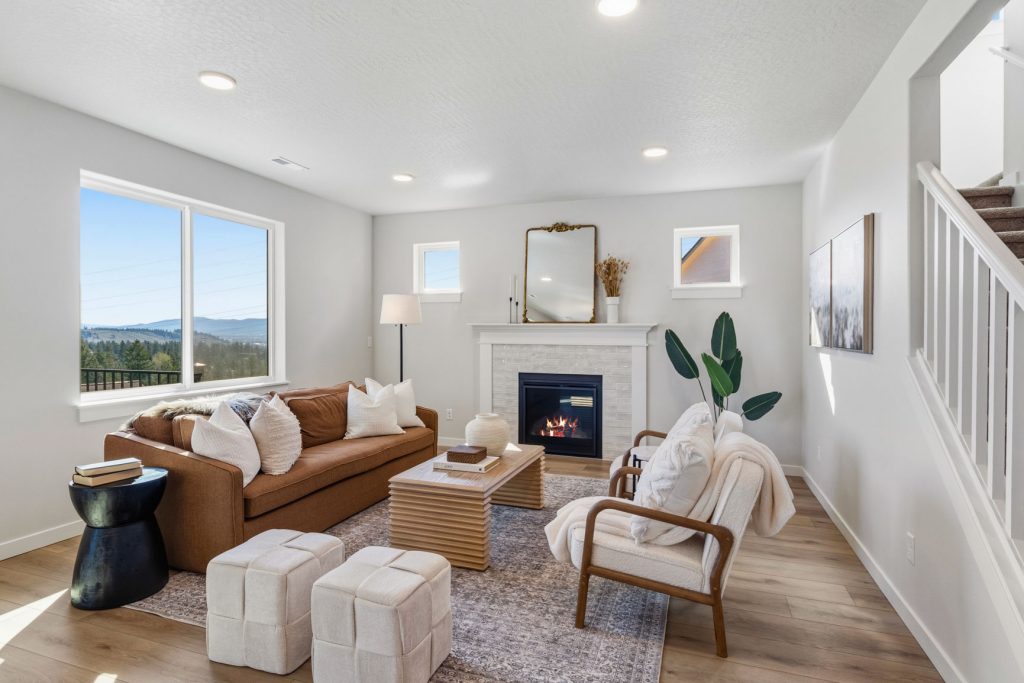
Think about your favorite local coffee shop or your best friend’s house. What makes you want to sit down, stay a while, and open up? It usually has nothing to do with expensive artwork or a perfectly curated rug. Instead, it comes down to how the space makes you feel. A truly great room invites you in and encourages genuine connection.
Your living room should do the same thing. As the social hub of your home, it hosts everything from lively weekend game nights to quiet coffee chats with a neighbor. But if your current setup feels stiff or leaves guests staring silently at the television, conversations will naturally stall.
You can fix this problem with a few strategic changes. Let’s explore how to lay out your living room to make it highly sociable. We’ll share practical tips for arranging seating to spark conversation, adding versatile furniture, setting the mood with cozy lighting, and nailing the functional design basics.
Build a Welcoming Atmosphere First
Before you start pushing heavy couches across the floor, take a step back and look at the big picture. A truly sociable living room starts with a welcoming atmosphere. You want your guests to feel a sense of ease the moment they cross the threshold.
When a room feels overly formal or cluttered, it sends a subtle message to visitors. It tells people to sit quietly and avoid touching anything, rather than encouraging them to engage and interact. Shifting that energy requires a dedicated focus on comfort and accessibility.
Prioritize Physical Comfort
Comfort is key to a welcoming space. If your seating is stiff, people won’t want to linger. Add plush throw pillows and soft blankets to signal to guests that it’s okay to get comfortable.
Think about textures, too. Soft fabrics, warm woods, and woven materials feel more inviting than sleek metals and plastics. You don’t need to replace all your furniture; introducing a few cozy elements can soften the room’s vibe and put guests at ease.
Clear the Clutter
A cluttered room feels chaotic. When surfaces are covered in mail, magazines, or random objects, guests may feel like they’re intruding. Clearing off coffee tables and side tables does more than just tidy up; it visually opens the space and gives guests a place to put their belongings. Keep everyday items in stylish storage baskets or a storage ottoman. This leaves your room looking clean, intentional, and ready for company.
Arrange Seating for Real Conversation
The most critical element of a sociable living room is the seating arrangement. How you position your chairs and sofas directly impacts how much people talk to each other.
Ditch the TV-First Approach
A movie marathon is great, but pointing all your furniture at the TV shuts down social interaction. It turns guests into a passive audience instead of active participants.
If the TV has to be in the living room, place it on a side wall instead of making it the focal point. Arrange your main seating to face each other, not the screen. Conversation will fizzle out if someone has to turn their head completely to talk to the person next to them.
Float Your Furniture
Pushing furniture against the walls is a common mistake people make to create the illusion of space. In reality, this creates an awkward, empty area in the middle of the room and puts too much distance between people.
Instead, pull your sofa and chairs a few feet away from the walls. This technique, known as “floating,” creates a more intimate seating arrangement. Floating your furniture lowers the speaking volume and makes the space feel more sociable.
Create a Conversational Circle
People naturally gather in circles to talk, so your furniture should do the same to encourage eye contact. Arrange your main sofa across from two armchairs. If you have a sectional, close the open side with an ottoman or accent chairs. This circular or U-shaped layout ensures everyone feels included and can easily join the conversation.
Add Versatile and Movable Furniture
When you host friends or family, your living room needs to adapt. A layout that works perfectly for two people might feel cramped or awkward for six. To keep your living room sociable, you need furniture that easily adapts to different group sizes.
Keep Extra Seating Lightweight
Bulky recliners and heavy wooden chairs can lock you into a single layout. Instead, opt for lightweight seating you can easily move around. Woven poufs, small upholstered stools, and low-profile ottomans are perfect for this.
Tuck them under a console table or to the side when you’re home alone. When friends visit, you can quickly pull these pieces up to the coffee table for instant extra seating without making the room feel permanently cramped.
Provide Plenty of Drink Drops
Socializing usually involves food and drinks, so your guests will need a convenient place to set down their mugs or glasses. To make sure every seat has easy access to a flat surface, place a large coffee table in the center of your conversational circle and scatter small side tables next to armchairs. Nesting tables are a great space-saving option, as you can pull them apart to give multiple guests their own mini table. C-tables are also a fantastic choice because they slide right over the arm of a sofa.
Set the Mood with Cozy Lighting
Lighting drastically changes the mood of a room. You can have a perfect furniture layout, but if the lighting is harsh and bright, people will feel exposed and uncomfortable. A sociable living room requires a warm, relaxing lighting scheme.
Step Away from the Overhead Light
Most homes feature a single, bright overhead light fixture in the center of the ceiling. Relying solely on this light creates a flat, sterile environment. It casts unflattering shadows and makes the room feel more like a waiting area than a home.
Turn off the main overhead light when you are hosting. Instead, focus on creating soft pools of light around the room to encourage guests to relax.
Layer Your Light Sources
Layered lighting uses various fixtures at different heights to create a balanced, inviting glow. Use a tall floor lamp behind a reading chair or in a dark corner, and place matching table lamps on the end tables by your sofa.
To highlight interesting art or architectural features, use small accent lights. This technique draws the eye around the room, creating a soft, welcoming environment that naturally draws people in.
Choose Warm Bulbs and Dimmers
The color temperature of your lightbulbs is key. Opt for bulbs labeled “warm white” or “soft white” (around 2700K to 3000K). These give off a comforting, yellow-orange glow similar to candlelight.
Installing dimmer switches on your lamps and overhead lights also gives you total control over the room’s mood. You can keep things bright for a lively board game, then dim them for relaxed evening conversation.
Master Functional Design and Traffic Flow
A sociable room must actually work on a practical level. Functional design means planning for how people physically move through and use the space. If guests are constantly tripping over a rug or struggling to squeeze past a chair, the layout fails.
Plan Clear Walkways
Before finalizing your layout, walk through the room to ensure there are clear, unobstructed paths for entering and exiting the seating area. Guests shouldn’t have to squeeze past sharp table edges.
Leave at least 30 to 36 inches of walking space for main pathways. This allows guests to get to the sofa, grab a refill, or use the bathroom without interrupting conversations.
Mind the Conversational Gap
Physical distance plays a huge role in how we communicate, so keep your main seating pieces no more than eight feet apart. This creates a cozy zone where people can speak at a normal volume. If chairs are further than eight feet apart, guests may feel they have to shout.
If your living room is very large, don’t spread furniture out to fill it. Instead, create one main conversational circle and use any remaining space for a smaller reading nook or secondary seating area.
Optimize Coffee Table Placement
Your coffee table is central to the room, so its placement is key. For maximum comfort, leave 14 to 18 inches between the edge of your sofa and the coffee table. This leaves enough room for guests to walk through and stretch their legs, but keeps the table close enough for them to reach their drinks without getting up. For a natural feel, make sure the table is about the same height as the sofa cushions.
Ready to Transform Your Space?
Designing a highly sociable living room layout does not require a huge renovation budget or a professional designer. Often, it just takes a fresh perspective and a willingness to try moving your existing pieces around. With these simple adjustments, you will build a functional, friendly space where everyone loves to gather.
Hayden Homes builds high-quality homes in vibrant communities across Montana, Washington, Idaho, and Oregon. Crafted for connection and designed for every stage of life, our homes blend comfort and style. Ready to find the right home for you ? Contact us today to get started.