 Wildfire Recovery Resources

Breaking a Lease to Buy a Home: What Renters Should Know
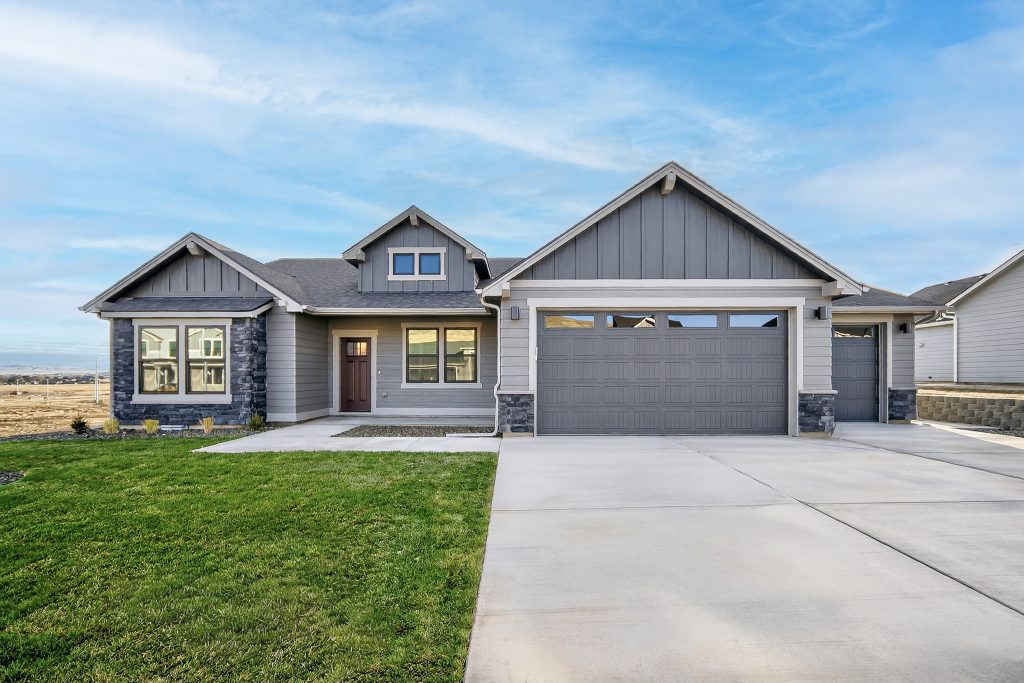
You just walked out of an open house, and you know this property is the one. It features the perfect layout, a great location, and a price that fits your budget completely. Then reality sets in quickly. You still have several months remaining on your current apartment rental agreement.
Breaking a lease to buy a home is a common challenge many renters face when the perfect property appears before their rental agreement ends. The idea of breaking a binding legal contract can feel incredibly stressful and overwhelming. However, letting a rental agreement dictate your timeline might mean missing out on your absolute dream house. You need to weigh your options carefully before making a final decision.
Before breaking a lease to buy a home, it’s important to understand both the financial and legal implications. Let’s explore the pros and cons of breaking a lease to buy a home, along with some practical tips for negotiating with your landlord and minimizing the financial impact. Here’s what you need to know to make a smooth transition from renter to homeowner.
The Pros of Breaking Your Lease Early
There are several advantages to breaking a lease to buy a home, especially if the right opportunity appears at the right time. Deciding to end your rental agreement ahead of schedule presents several distinct advantages. Sometimes the long-term benefits of buying a house easily outweigh the temporary complications of leaving an apartment. Here are the top reasons to consider making your big move right now.
Securing the Right Property Quickly
The real estate market rarely waits for anyone to get their timing perfect. When you find a house that perfectly matches your criteria, delaying your offer is incredibly risky. If you decide to wait until your lease naturally expires, that specific property will likely go to another eager buyer.
Breaking your lease gives you the complete freedom to submit a competitive offer immediately. You do not have to settle for a less desirable property just because the timing aligns better with your rental contract. Securing a home you truly love brings years of lasting happiness and stability to your family. This permanent reward often makes the temporary stress of lease negotiations entirely worthwhile.
Starting to Build Home Equity
Renting provides a safe place to live, but it does not contribute to your long term financial health. Every rent payment you make goes directly toward building your landlord’s personal wealth. When you purchase a home, your monthly mortgage payments begin building your own personal equity instead.
By leaving your rental early, you stop funding someone else’s investment portfolio. You start putting your hard earned money into an appreciating asset right away. Over a span of several months, this early start on building equity can amount to a substantial sum of money. The faster you transition to homeownership, the sooner your money starts working to benefit you directly.
Capitalizing on Good Market Conditions
Financial markets and mortgage interest rates change on a constant basis. If current mortgage rates are exceptionally favorable, acting quickly can save you a massive amount of money. Waiting several months for your lease to expire could mean facing significantly higher borrowing costs down the road.
Even a slight increase in your mortgage interest rate adds tens of thousands of dollars to the total cost of your loan. Breaking your lease might require paying a small penalty fee upfront to your landlord. However, securing a lower interest rate will save you far more money over the next thirty years. Timing your home purchase to match favorable financial conditions is a highly strategic and smart move.
The Cons of Ending Your Lease Early
While the benefits of buying are exciting, breaking a lease to buy a home also carries real financial and logistical risks. You must look at the potential downsides before you commit to leaving your apartment early. Here are the primary disadvantages you need to keep in mind before packing your boxes.
Paying Early Termination Fees
A lease is a legally binding document, and breaking it usually comes with a financial penalty. Many landlords include early termination clauses that require a hefty fee. You might have to pay one or two full months of rent just for the privilege of ending the contract early.
This unexpected expense can put a serious dent in your savings account at the worst possible time. You are already paying for closing costs, moving trucks, and various new home expenses. If your lease lacks a standard buyout clause, you might even be legally responsible for paying rent until the lease naturally expires. Paying a new mortgage and your old rent simultaneously will drain your bank account very quickly.
Managing the Stress of Dual Housing
Purchasing a home involves a lot of moving parts and requires significant mental energy. Adding a complicated lease negotiation to the process only increases your daily stress levels. You will have to manage endless mortgage paperwork, coordinate home inspections, and pack your belongings all at the exact same time.
If your landlord proves difficult to work with, you might find yourself juggling the responsibilities of two properties. You will need to keep your current apartment spotless for potential new renters while preparing your new house for move-in day. This dual responsibility demands excellent organization and a great deal of patience from everyone involved.
Protecting Your Credit Score
Your credit score plays a massive role in your ability to secure a favorable mortgage loan. If you mishandle your lease break, your landlord could report your unpaid balance to major credit bureaus. They might even send your account to a collections agency to recover their lost funds.
A sudden negative mark on your credit report will drop your score significantly. This unexpected drop could jeopardize your entire mortgage approval process. Lenders often run a final credit check right before closing on the house. Handling your apartment departure poorly could result in a higher interest rate or a completely denied loan at the very last minute.
Practical Tips for Breaking Your Lease Smoothly
If you decide that breaking a lease to buy a home is the right move, a clear strategy can help you minimize costs and avoid conflict with your landlord. Managing your departure professionally will protect your finances and keep your stress levels very low. Follow these practical steps to navigate your lease break successfully.
Read Your Rental Agreement Carefully
Your very first action should be reviewing your rental contract closely. Pull out the physical document or digital file and read every single page to understand your specific obligations. Pay special attention to any sections labeled as an early termination or buyout clause.
These specific sections outline the exact rules you agreed to when you first signed the lease. A standard buyout clause usually asks for a written notice 30 to 60 days in advance. It also specifies the exact fee you must pay to break the contract legally. Finding this clause gives you a clear and legal roadmap to follow for your departure.
Speak with Your Landlord Early
Surprising your landlord with a sudden moving truck is a terrible strategy that will likely cause immediate conflict. Once your offer on a house is accepted, schedule a conversation with your property manager right away. Request a phone call or a face to face meeting to discuss your upcoming plans.
Be completely transparent about your exciting situation. Explain that you have an opportunity to purchase a home and want to handle the transition respectfully. Approaching them as a cooperative partner sets a positive and productive tone for the entire process. Landlords are much more likely to show flexibility if you communicate early and treat them with professional respect.
Offer to Find a Replacement Tenant
Landlords dislike vacant properties because they don’t generate income. You can help solve this problem by offering to find a qualified replacement tenant. This is often the best way to break a lease without facing major financial penalties.
There are two main ways to do this:
- Find a new tenant to take over the lease: If you’re renting from a private landlord, you can offer to find a replacement tenant. With their permission, you can advertise the apartment yourself. Clean the space, take bright photos, and post the listing on popular rental sites. Offering to show the apartment and collect applications can also save your landlord time. If you present them with an excellent candidate who meets their income requirements, they will likely let you end your lease without any issues. Keep in mind that corporate landlords may prefer to handle this themselves.
- Sublet the apartment: Another option is to find a subtenant who will rent the apartment from you for the remainder of your lease term. You’ll still be responsible for the rent payments, but the subtenant will pay you. Before you do this, carefully review your lease and local laws, as some landlords and jurisdictions have strict rules about subletting.
Presenting your landlord with either of these options shows you are committed to minimizing their financial loss, which can make for a smoother exit.
Negotiate a Financial Buyout
If finding a replacement tenant proves too difficult or time consuming, try negotiating a financial settlement instead. Sit down with your landlord and offer a lump sum payment to terminate the contract early. A standard and reasonable offer is usually equal to one or two months of your current rent.
This payment gives your landlord guaranteed cash to cover their expenses while they search for a new tenant themselves. It also gives you a clean break and absolute peace of mind during your move. Make sure you get any settlement agreement completely in writing before handing over a check. Both you and your landlord need to sign this document to release you formally from all future rent obligations.
Learn About Local Renter Protections
Every city and state has unique laws regarding tenant rights and landlord responsibilities. In many regions, landlords are legally required to mitigate their damages when a tenant leaves early. This means they must make a genuine and reasonable effort to re-rent the apartment after you move out.
Take some time to research the specific tenant laws in your local area. Understanding your basic legal rights will give you massive confidence during your negotiations. If your landlord acts unreasonably or makes unfair financial demands, you can contact a local tenant advocacy group for professional guidance.
Your Next Steps Toward Homeownership
Breaking a lease to buy a home requires strategic planning, open communication, and a clear understanding of your lease agreement. The long-term rewards of building equity and securing your ideal home usually make the extra effort completely worthwhile.
Remember to act responsibly and communicate clearly with your landlord throughout the entire process. With the right approach, you can successfully leave your rental behind and step happily into your brand new house.
At Hayden Homes, we’re committed to making your home-building journey rewarding and straightforward, from the first open house to the moment you walk through your front door. Ready to find your dream home? Contact us today to get started.